
Bulghur and semolina meatballs, how are they made?
Bulghur and semolina meatballs, known as kibbeh in many Middle Eastern cultures, are a nutritious dish blending bulghur wheat, semolina, and spices. This article delves into their ingredients, preparation steps, cooking methods, and cultural importance, showcasing their rich heritage and delightful flavors.
Bulghur and Semolina Meatballs: How Are They Made?Bulghur and semolina meatballs, often referred to as "kibbeh" in various Middle Eastern cuisines, are a delightful and nutritious dish that combines the wholesome goodness of bulghur wheat and semolina with an array of spices and flavors. This article will explore the ingredients, preparation methods, cooking techniques, and cultural significance of these meatballs. Ingredients The primary ingredients for bulghur and semolina meatballs typically include:
Preparation Method The preparation of bulghur and semolina meatballs involves several steps that require careful attention to detail to ensure a perfect blend of flavors and textures. The following steps outline the traditional preparation process: 1. Soaking the Bulghur: Begin by rinsing the bulghur wheat under cold water to remove any impurities. Then, soak it in warm water for about 30 minutes until it softens and absorbs the liquid. 2. Mixing Ingredients: In a large mixing bowl, combine the soaked bulghur, semolina flour, ground meat, finely chopped onions, minced garlic, and chopped herbs. 3. Seasoning: Add the spices, salt, and pepper to taste. It is essential to mix the ingredients thoroughly, ensuring that the spices are evenly distributed throughout the mixture. 4. Kneading: Knead the mixture with your hands for several minutes until it becomes a cohesive dough-like consistency. This step is crucial for achieving the right texture in the meatballs. 5. Shaping the Meatballs: Take small portions of the mixture and shape them into balls or oval forms. The size can vary based on personal preference, but they are typically about the size of a golf ball. 6. Chilling: Place the shaped meatballs on a tray and refrigerate them for at least 30 minutes. This chilling process helps the meatballs hold their shape during cooking. Cooking Techniques Bulghur and semolina meatballs can be cooked using various methods, each imparting a unique flavor and texture to the dish. The most common cooking techniques include:
Cultural Significance Bulghur and semolina meatballs hold cultural significance in many Middle Eastern and Mediterranean countries. They are often served during festive occasions, family gatherings, and communal meals, symbolizing hospitality and togetherness. The dish is not only delicious but also represents a rich culinary heritage that has been passed down through generations. Each family often has its own variation, adding personal touches such as different spices or additional fillings. Conclusion In summary, bulghur and semolina meatballs are a delectable dish that combines nutritional ingredients with rich flavors and cultural significance. The careful preparation and cooking methods contribute to their unique taste and texture, making them a cherished food in various cuisines. Whether fried, baked, or boiled, these meatballs offer a delightful experience that highlights the beauty of traditional cooking. |


.webp "Kıymalı Patatesli Börek Tarifi ve Malzemeleri")

.webp "Kıymalı Yeşil Mercimek Yemeği")
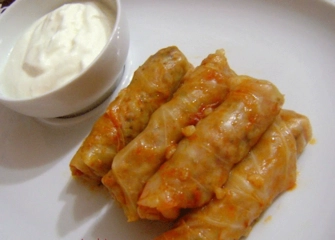
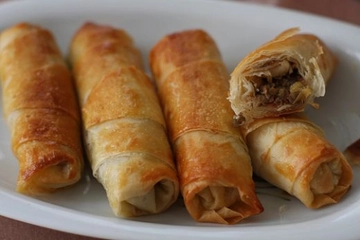
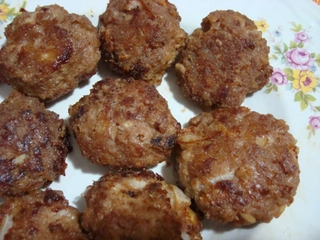
.webp "Kıymalı Patates Tarifi ve Malzemeleri")



.webp "Kıymalı Yoğurt Çorbası Tarifi ve Malzemeleri")





Bu bulghur ve irmik köfteleri tarifine bakarken, gerçekten de bu lezzetli yemeğin yapım sürecinin ne kadar detaylı olduğunu düşündüm. Özellikle bulghurun ıslatılması ve tüm malzemelerin özenle karıştırılması aşamaları, köftelerin lezzetini ve dokusunu nasıl etkiliyor? Ayrıca, köfteleri şekillendirdikten sonra buzdolabında bekletmek de çok önemli görünüyor; bu adımın köftelerin pişirme sırasında dağılmaması için ne kadar etkili olduğunu merak ediyorum. Son olarak, farklı pişirme yöntemlerinin her birinin köftelere kattığı farklı tatlar ve dokular hakkında daha fazla bilgi edinmek isterdim. Acaba hangi yöntemle yapılan köfteler sizin favoriniz?
Sevgili Irmak Merve Hanım, bulgur ve irmik köftelerinin detaylarına dair sorularınızı yanıtlamaktan mutluluk duyarım.
Bulgurun ıslatılması ve karıştırma aşamaları köftelerin lezzet ve dokusunu doğrudan etkiler. Bulgur doğru süre ve sıcaklıkta ıslatıldığında yumuşar, hacim kazanır ve diğer malzemelerle daha homojen birleşir. Özenle karıştırma, tüm baharatların eşit dağılmasını sağlayarak her köftede dengeli bir tat sunar. Bu, köftelerin ağızda bıraktığı pürüzsüz ve birbirine yapışmış doku için kritiktir.
Buzdolabında dinlendirme adımı, köftelerin pişerken dağılmaması için hayati önem taşır. Soğuk ortam, bulgur ve irmiğin nemi emip sertleşmesine yardımcı olur, böylece köfteler şeklini korur. Genellikle 30-60 dakika yeterlidir; bu süre, malzemelerin birbirine kenetlenmesini sağlayarak pişirme sırasında dayanıklılık kazandırır.
Pişirme yöntemleri köftelere farklı tatlar ve dokular katar. Haşlama, yumuşak ve hafif bir doku verir, suyla temas lezzetin hafifçe yayılmasını sağlar. Fırınlama, dış kabuğun çıtırlaşmasına neden olurken iç yumuşak kalır, daha az yağlı bir seçenektir. Kızartma ise dışı çıtır, içi nemli ve yoğun bir lezzet profili oluşturur. Benim kişisel favorim fırınlama yöntemidir, çünkü sağlıklı olmasının yanı sıra köftelerin doğal lezzetini öne çıkarır ve günlük tüketim için pratik bir seçenek sunar.